
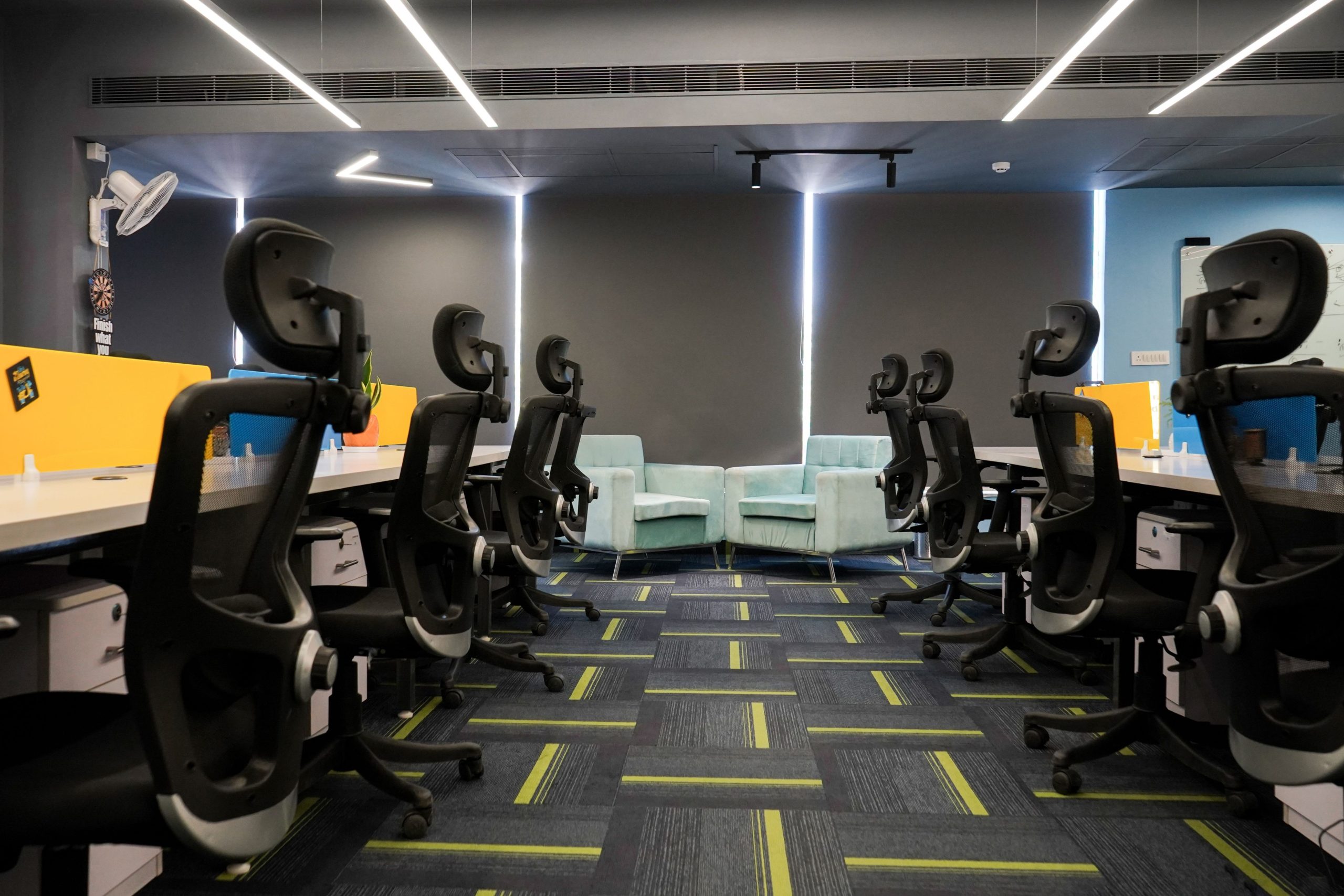
How to Create a Productive Workspace
The design of your office space communicates a great deal about your business. In fact, before a client or employee even reads a word, their impression is already shaped by the walls, layout, and furniture. This is why, in 2026, office interior design has emerged as a key focus for expanding businesses. Not only does a thoughtfully designed office look good, but it also enhances productivity, promotes employee well-being, and, above all, embodies your company’s culture.
Overall, this guide will take you through some practical office interior design ideas, whether you’re working with a small startup cabin or planning a complete corporate floor redesign.
Why Office Interior Design Matters
First and foremost, good design isn’t just decoration. On the contrary, it directly impacts:
- Employee productivity – For instance, creating comfortable, well-lit, and organized spaces helps minimize fatigue and distractions.
- First impressions – Similarly, your workspace plays a crucial role in how clients and candidates perceive your brand.
- Employee retention – As a result, a welcoming environment encourages employees to remain with the company.
- Space efficiency – Meanwhile, thoughtful layouts can make even compact offices appear more spacious and functional.
Top Office Interior Design Ideas

1. Embrace an Open Floor Plan
To begin with, open layouts support collaboration and improve communication between teams. Additionally, utilizing low partitions or glass dividers allows for some privacy while still keeping the environment open and inviting.
2. Bring in Biophilic Elements
Biophilic design, which includes adding indoor plants, ensuring plenty of natural light, and incorporating wood textures, has been proven to alleviate stress and boost focus. In fact, even a small number of potted plants placed near workstations can create a significant impact.
3. Create Flexible Work Zones
Nowadays, modern offices require more than just desks. Instead, think about incorporating:
- Quiet focus pods designed for deep work
- Casual lounge spaces for informal meetings
- Standing meeting corners for brief discussions
4. Use a Consistent Color Palette
First, choose 2 to 3 main colors that embody your brand’s identity. Then, using neutral shades like white, grey, or beige alongside a single bold accent color can give a professional and vibrant impression.
5. Invest in Ergonomic Furniture
Above all, comfortable and adjustable chairs and desks are not just a luxury; rather, they are crucial for maintaining employee health and productivity over the long term.
6. Maximize Natural Light
Whenever possible, try to arrange workstations near windows. Also, choose glass partitions over solid walls, since this helps light move more freely through the environment.
7. Add Branding Touches
Above all, it’s important for your office to represent your company. For example, consider using branded wall art, showcasing your logo at the reception, and adopting a color scheme that fits your brand guidelines.
8. Design a Welcoming Reception Area
After all, the reception is the initial point of contact for visitors. Therefore, make sure it is clean, bright, and has cozy seating that represents your company’s unique style.
Small Office Interior Design Ideas
To make the most of limited space, consider these effective strategies to save room:
- First, opt for furniture that serves multiple purposes, like desks with built-in storage or foldable tables.
- Similarly, light colors can help make your area feel more spacious.
- Instead of bulky cabinets, think about installing wall-mounted shelves.
- In addition, strategically placed mirrors can create an illusion of a larger space.
- Finally, keep cables organized and minimize clutter for a cleaner look.
Modern Office Interior Design Trends in 2026
- Layouts that accommodate both in-office and remote collaboration seamlessly
- Furthermore, the use of sustainable materials such as recycled wood and low-VOC paints
- Meeting rooms equipped with smart screens and automated lighting for tech integration
- In addition, wellness spaces designed for relaxation or quick breaks
- Lastly, a minimalist Scandinavian design featuring clean lines and functional furniture
Final Thoughts
Whether you’re setting up a cozy home office or a large corporate workspace, a well-designed office can, overall, make a big difference in how your team works and feels. To start with, focus on the basics, such as good lighting, a practical layout, and comfortable furniture. Then, bring in your brand’s colors, style, and personality to make the space feel unique.
If you’re planning a redesign, it’s a good idea to, first, sketch out the layout. Next, make the most of natural light, and, likewise, choose ergonomic furniture. Finally, pick a color palette that suits your brand and workspace before selecting the furniture and decor.
In short, small, thoughtful changes like these can, ultimately, elevate a simple office into an inspiring work environment.