
Redecorating a room or renovating a whole house raises one big question. Should you do it yourself, or hire an interior designer? Both approaches can create a lovely space. But they come with different costs, timelines, and stress levels. Here’s a breakdown to help you choose the best path for your project.

The Case for DIY
- Lower upfront cost: Doing it yourself avoids professional fees. This helps if you’re on a tight budget. You decide exactly how every dollar is spent.
- Full creative control: You know your own taste best. DIY lets you experiment freely. You can take your time and change your mind whenever you like.
- Flexible pace: You can work on weekends or whenever inspiration strikes. There’s no fixed schedule to follow.
- Learning experience: Many people enjoy the process. Choosing paint colors and sourcing furniture teaches real design skills.
The Downsides of DIY
- Expensive errors: Wrong measurements or mismatched finishes can cost more than hiring a professional in the first place.
- Time-intensive: Research and trial-and-error take longer than most people expect.
- Limited resources: DIYers can’t access trade discounts. Certain vendors and custom pieces stay out of reach.
- Lack of professional insight: It’s easy to miss poor traffic flow or bad lighting. These issues often surface only once the room is finished.

The Case for Hiring an Interior Designer
- Professional expertise: Interior designers know space planning, color theory, lighting, and materials. That expertise goes well beyond a Pinterest board.
- Time savings: A skilled professional handles sourcing and vendor coordination. You skip hours of tedious legwork.
- Access to trade resources: Designers often have supplier and showroom connections closed to the public. Trade pricing can offset their fee.
- Avoiding expensive mistakes: An experienced designer spots problems early. Scale issues and clashing finishes get caught before they turn costly.
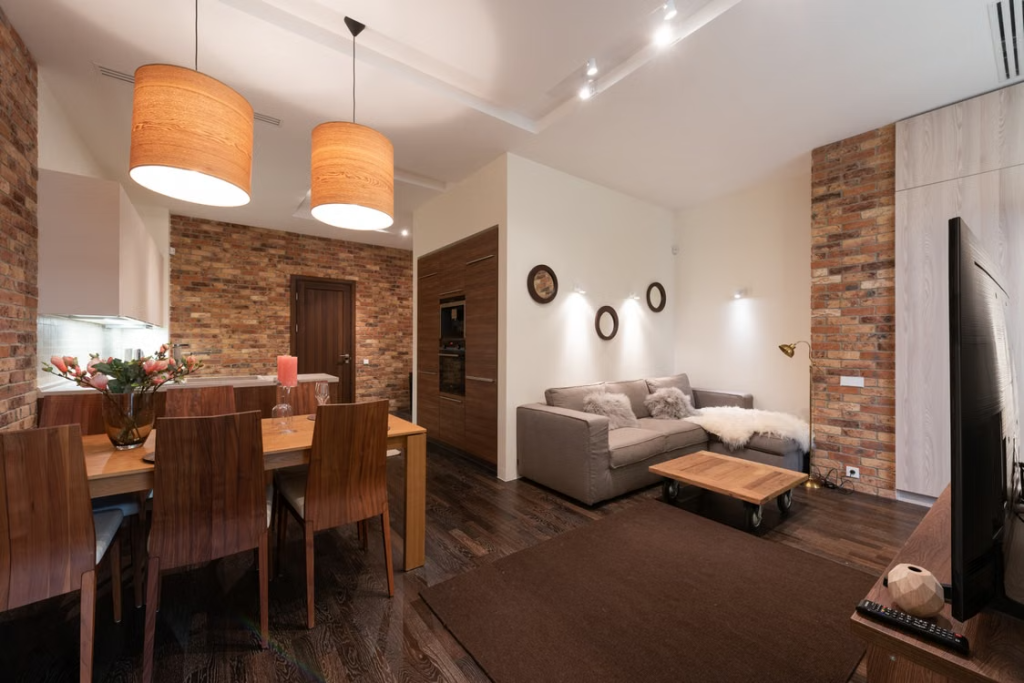
- Cohesive, polished results: A skilled designer ties furniture, lighting, textiles, and architecture together. The result is hard to achieve without a trained eye.
The Downsides of Hiring a Professional
- Increased expenses: Design fees add to your budget. They may be billed hourly, flat-rate, or as a percentage of the project.
- Reduced personal control: You collaborate rather than decide everything alone. Hands-on homeowners may feel this as a compromise.
- Locating the right match: Not every designer fits your style. Vetting candidates takes some upfront effort.
So, Should You Hire One?
Ask yourself these questions:
- What’s my budget?
- How much time do I have?
- How complex is the project?
- Do I want a hands-on hobby, or a finished result?
Time Investment
A DIY project usually takes longer than you expect. What appears to be a straightforward weekend task can quickly turn into a project that spans several weeks. First, the research phase can take up a lot of time whether you’re comparing paint colors, browsing furniture websites, or watching instructional videos. Then there’s the shopping part, which often means making several trips if the first store doesn’t have what you need. Additionally, if you’re not very experienced, the installation process can drag on even more, as mistakes often require you to redo certain tasks.
Alternatively, hiring an interior designer can significantly alter the timeline of your project. Designers have their own systems in place, they know which vendors to contact, how to manage deliveries smoothly, and how to oversee contractors without the usual delays that come from constant communication. Thus, while you might take three to four months to complete the work yourself, an experienced designer can often finish it in just a few weeks, since they aren’t balancing this with a full-time job and other daily responsibilities like you are.
Project Complexity Guidance
Not every project requires a professional touch, and not every task is suitable for a DIY approach. Here’s a quick reference:
Good for DIY (low risk, low complexity):
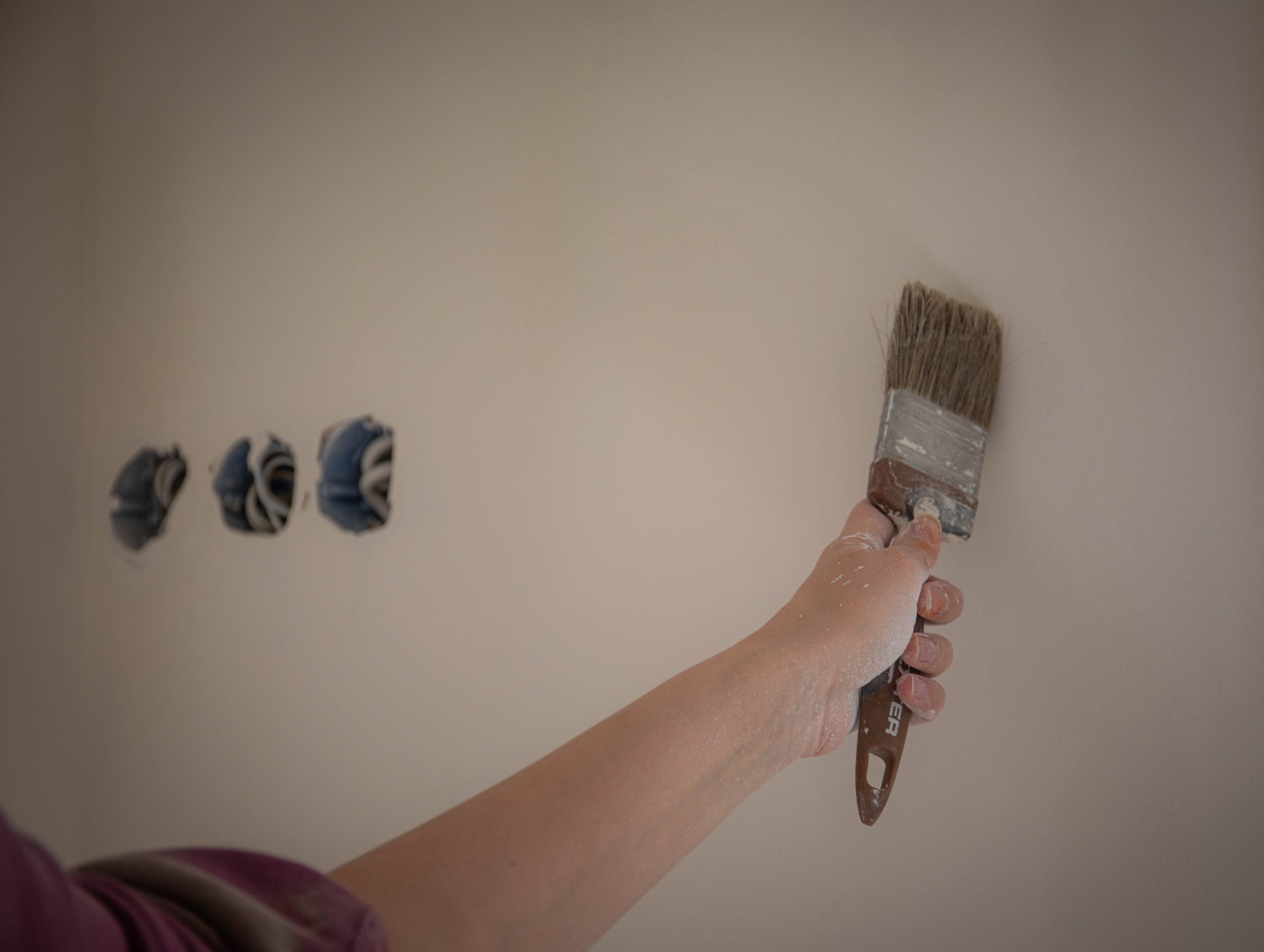
- Painting walls
- Hanging artwork or curtains
- Rearranging existing furniture
- Adding accessories like cushions and throws
- Small decor updates in a single room
Better to hire a professional (higher risk, higher complexity):
- Complete home renovations
- Kitchen or bathroom remodels
- Any changes to electrical or plumbing systems
- Structural modifications such as removing walls or altering layouts
- Projects that involve multiple rooms needing cohesive design
- Anything that requires permits or adherence to building codes
In terms of making changes, a general principle is that the more permanent or technical the modification, the more essential it is to get professional assistance. For instance, if you select an incorrect paint color, it’s a minor issue to correct. Conversely, a bad electrical installation can cause serious complications.
Budget Tips
Whether you decide to do it yourself or hire a professional, having a plan can stretch your budget further. Here are some practical suggestions:
- First, set a realistic budget, including a 10–15% cushion for unexpected expenses something always comes up.
- If you’re going the DIY route: invest in quality from the start. The most common way DIY budgets get out of hand is by returning or replacing incorrectly sized items like rugs, curtains, or furniture.
- If you’re hiring a designer: clarify how they charge whether it’s a flat fee, hourly rate, or a percentage of the total project cost to avoid surprises later on.
- Think about a consultation-only package. Many designers provide a one-time consultation to help with layout, color, and material choices, while you take care of purchasing and execution. This way, you get professional advice at a fraction of the cost of full-service design.
- Focus your spending on the most important items typically larger furniture and lighting and save on accessories, which can be easily DIYed or upgraded later.
- Don’t forget to account for hidden DIY costs beyond just materials: consider the tools you need to buy, transportation, and your own time, which is valuable even if it doesn’t appear on a receipt.
Mistakes to Avoid When DIYing
Avoid these common mistakes when taking on DIY projects:
- Incorrect measurements. A rug that’s too small or a sofa that doesn’t fit can lead to costly errors.
- Neglecting lighting. The placement of lighting can significantly affect the ambiance of a room, making it feel either inviting or dull. It’s often overlooked but is crucial for a well-designed space.
- Inconsistent colors and finishes. A paint color that seems perfect on a sample can clash with your existing furniture or flooring once applied to the walls.
- Overloading a space. More furniture or decor doesn’t equate to more style; it often results in clutter and hinders movement.
- Skipping a design plan. Purchasing items individually without a cohesive vision can lead to a disjointed look in the room.
- Underestimating technical tasks. Trying to handle electrical or plumbing work without the right expertise poses not only design challenges but also safety hazards.
Knowledge You Should Have
Interior design is not just about aesthetics; it requires a deep understanding of technical principles that take years to master. Important components include:
- Spatial planning: – knowing how furniture arrangement and traffic flow work together in a room
- Color theory: – being aware of which color combinations are pleasing and which may not work well on a larger scale
- Lighting design: – skillfully layering ambient, task, and accent lighting
- Material knowledge: – understanding which finishes are durable, low-maintenance, and appropriate for the space
- Structural and code awareness: – recognizing electrical, plumbing, and building codes to avoid unsafe or illegal installations.
If you have confidence in these areas, DIY can be a great option. Otherwise, consider hiring a professional for the technical aspects while you take care of the decorative side yourself.
Questions to Ask Before Hiring an Interior Designer
- Before you decide to work with a designer, make sure to clarify the following points:
- How many years have you been in the industry, and could I take a look at your portfolio?
- What is your pricing structure ,do you charge a flat fee, by the hour, or a percentage of the total project cost?
- What services are included , is it just design, or do you also handle execution and supervision?
- Will you be managing vendors and contractors, or will I need to take care of that myself?
- What is a realistic timeline for a project like mine?
- How many rounds of revisions are included before additional charges kick in?
- How will we communicate throughout the project, and how often can I expect updates?
- Do you provide a written contract that outlines clear terms and a cancellation policy?
- Is there any warranty or support available after the project is completed if something needs fixing?
- Can I talk to a previous client or see reviews from your past projects?
By asking these questions upfront, you can prevent misunderstandings later and find a designer whose working style aligns with yours.
The Middle Ground: Hybrid Approach
You don’t have to pick one extreme. Many homeowners hire a designer for a single consultation. They then handle the rest of the work themselves. This gives you professional advice on color and layout. This way, you still keep control over execution and cost..
Final Thoughts
When it comes to choosing between DIY and hiring an interior designer, there isn’t a single right answer. It really depends on your budget, your timeline, and how much you appreciate expert guidance. For smaller, low-risk updates, DIY can be a rewarding and cost-effective option. But for larger or more complex spaces, a professional can often justify their fees by ensuring better planning and fewer mistakes, leading to a more polished result. Regardless of the path you choose, the best spaces are those that feel authentically yours.