
Restaurant Interior Design: Trends That Turn First-Time Diners Into Regulars
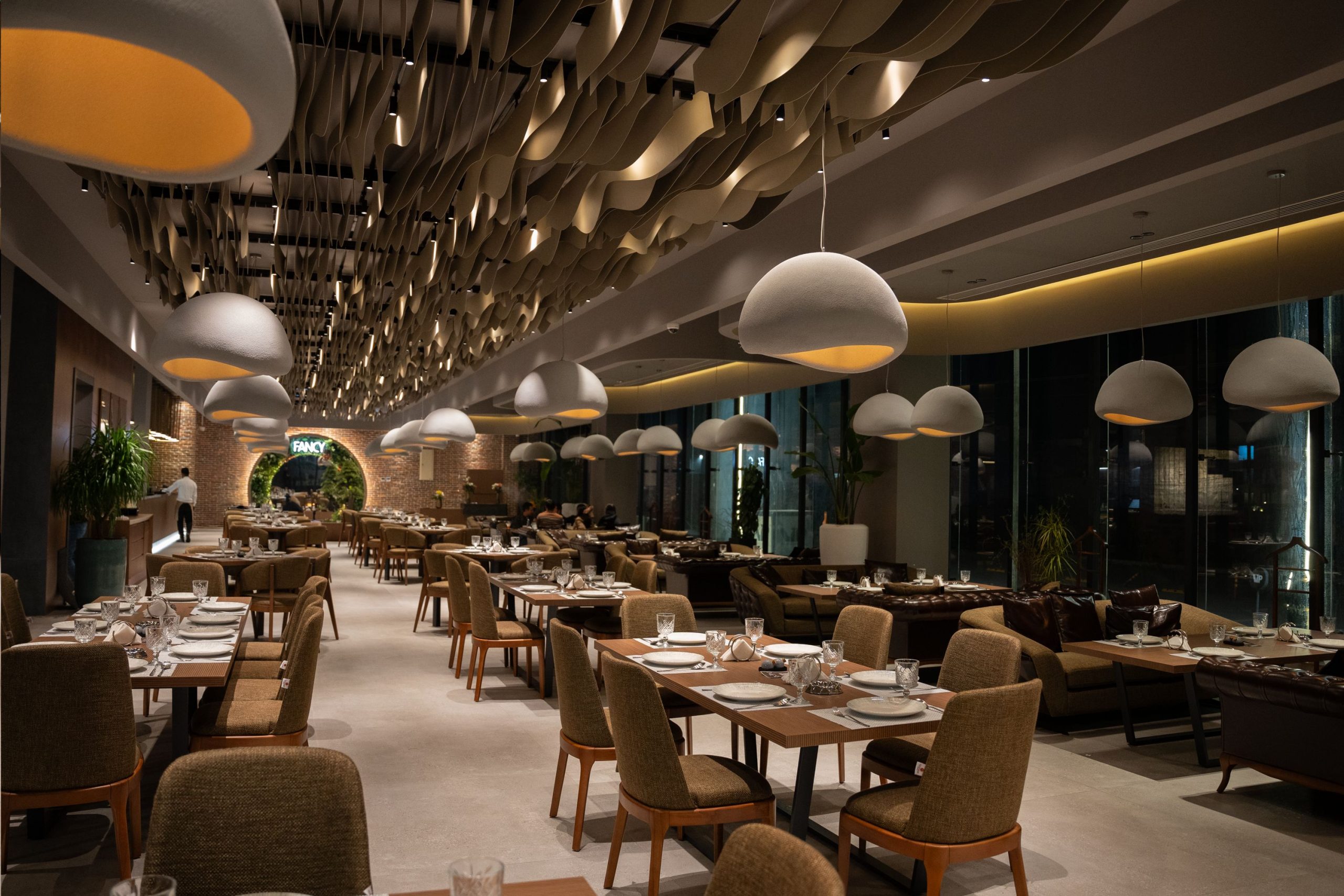
If you visit a popular restaurant today, you’ll quickly realize that it’s not only the menu that attracts customers, it’s the environment. In a time when people take photos of their meals before eating and pick restaurants for their Instagram potential as much as for the taste, the interior design has become an essential tool for any restaurant owner.
Despite this, many restaurant owners continue to see interior design as an afterthought, something to be dealt with only after the kitchen equipment and menu are in place. The consequence? Environments that appear generic, uncomfortable, or disconnected from the brand they aspire to create. Customers are aware of this and tend to favor the restaurant nearby that offers a more enjoyable atmosphere.
The great thing is that you don’t need an endless budget or a design degree to nail restaurant interior design. What you really need is a grasp of the latest trends, an awareness of your target audience, and a thoughtful approach to every detail from lighting and seating to color choices. In this article, we’ll explore the trends that are influencing restaurant spaces today and offer practical tips for incorporating them into your own venue.
Why Restaurant Interior Design Matters More Than Ever
Historically, the main goal of restaurant interiors was to provide seating for patrons during their meals. In contrast, modern spaces now accomplish much more than this.
Diners are increasingly making their choices based on the atmosphere of a restaurant, not just the food. A carefully crafted environment communicates professionalism, care, and a unique identity before any food is served. This atmosphere can influence how long patrons stay, how much they spend, and whether they share their experience on social media a cost-free marketing strategy that relies solely on good design.
For those in the restaurant business, this indicates that interior design is more than just aesthetics. It’s a strategic element that can drive revenue, enhance brand image, and build customer loyalty all at once.
Biophilic Design: Bringing the Outdoors In
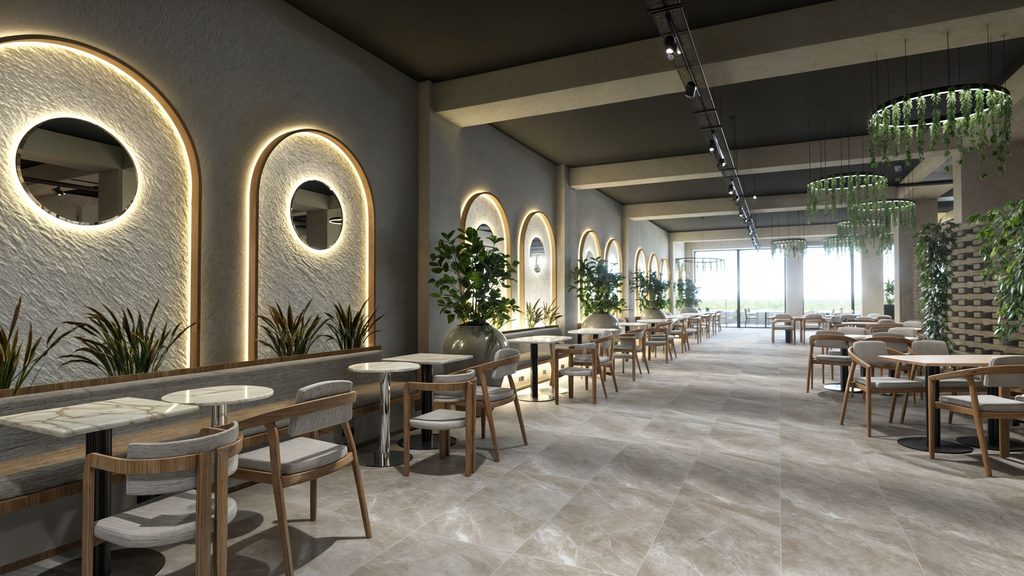
One of the key trends currently impacting restaurants is biophilic design, which focuses on bringing in natural elements like plants, sunlight, wood, and stone into the decor.
This isn’t merely about looks; research in environmental psychology has found that interacting with nature can significantly reduce stress and boost mood, resulting in a more enjoyable and calming dining atmosphere.
Here are some practical ideas to implement this concept:
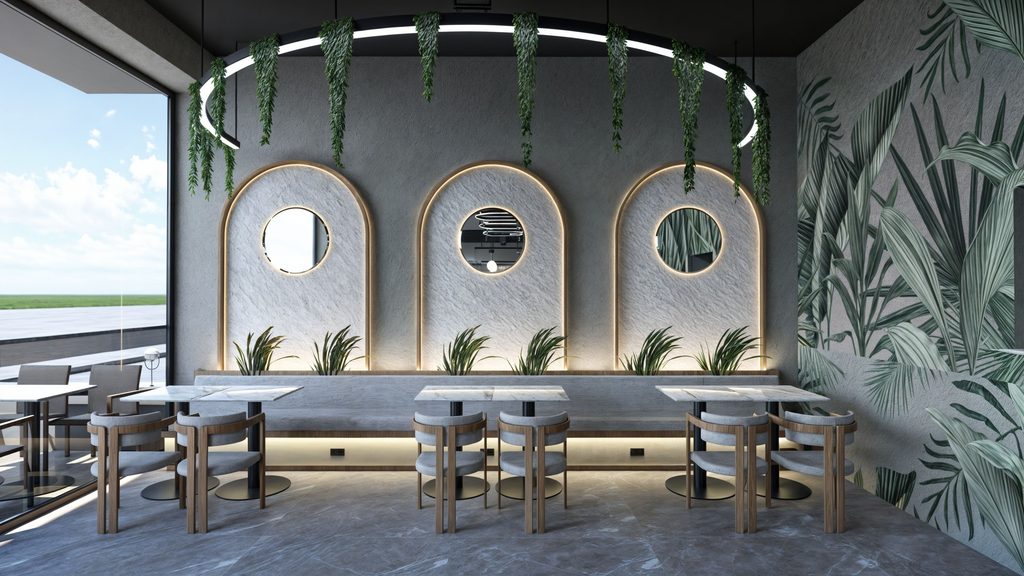
- Introduce living walls or hanging plants in seating areas to enhance the ambiance.
- Increase natural light by installing larger windows or skylights whenever feasible.
- Opt for raw or reclaimed wood for tables, counters, or accent walls to add warmth.
- Use natural textures such as rattan, linen, or stone in your furniture and finishes for a more organic feel.
Even small restaurants can create a welcoming vibe by adding some carefully chosen plants and utilizing warm, natural materials.
Warm, Layered Lighting Over Harsh Overheads
Lighting significantly shapes the mood, often more than any other design aspect, and the trend is clearly shifting from bright, uniform overhead lighting to warmer, layered lighting designs.
Restaurants are increasingly incorporating a variety of pendant lights, wall sconces, and table-level lighting to add depth and intimacy. This layered approach allows different zones within the same space to feel distinct like a vibrant bar area alongside a softer, cozier dining section.
A simple guideline many designers adhere to is to use warm-toned bulbs (around 2700K–3000K) in dining areas to create a flattering, inviting glow, while cooler, brighter lighting is better suited for prep and service areas where functionality is prioritized over ambiance.
Flexible, Multi-Use Layouts
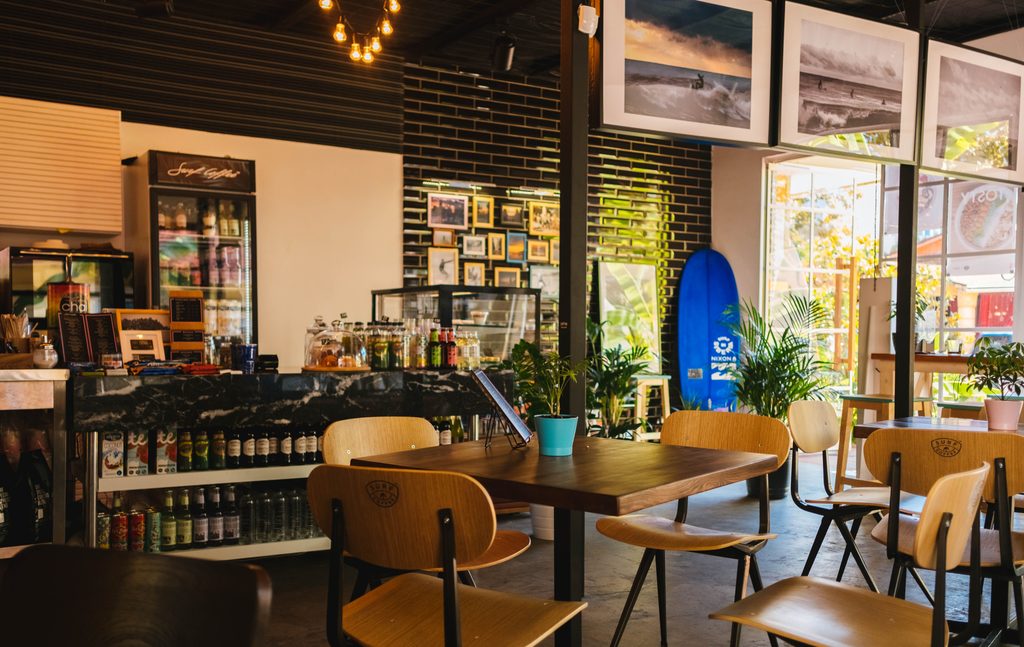
Since the pandemic, the way people dine has evolved, leading to new expectations for restaurant spaces. Customers now desire a range of seating options from a secluded corner for couples to a communal table for friends, or a snug booth for a romantic evening.
Well-designed restaurants are now incorporating flexible layouts that can adapt to different times of the day. For example, a place might offer a casual lunch vibe in the afternoon and then switch to a cozy dinner setting at night, all by changing the lighting and utilizing modular furniture. switch to a cozy dinner setting at night, all by changing the lighting and utilizing modular furniture.
Ways to build flexibility into your layout:
- Choose furniture that can be easily moved to adapt to both large groups and smaller parties.
- Define areas with different seating styles and heights, such as booths, communal tables, and bar seating.
- Use dimmers for your lighting to create a different mood for lunch and dinner services.
This approach makes the most of your space while meeting a variety of customer requirements.
Bold Color and Statement Details
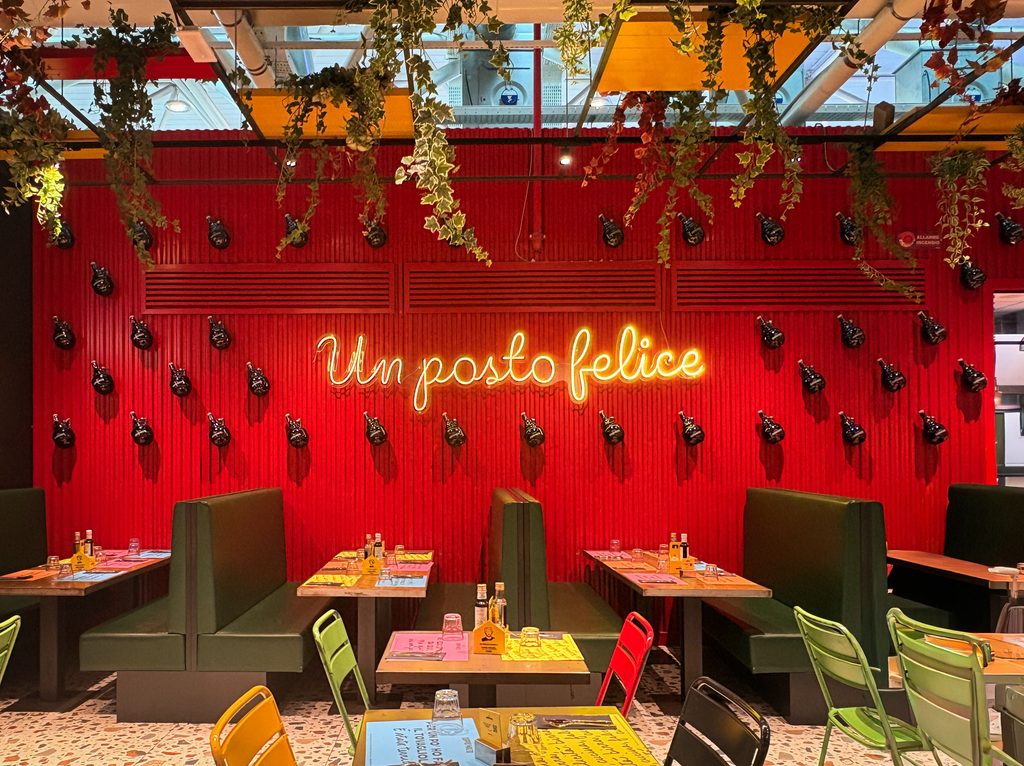
While minimalist and neutral designs have been the standard for a long time, many restaurants are now turning to bold colors and striking design features as part of their restaurant interior design strategy. This approach helps them stand out and create spaces that are both memorable and shareable.
This doesn’t mean that every wall should be painted in bright hues. Often, it’s about making one intentional statement like a richly colored accent wall, a standout light fixture, or a custom mural paired with more neutral tones. This combination creates visual interest without overwhelming the space or the diners.
Jewel tones such as emerald green, deep terracotta, and burnt orange have become especially popular, offering warmth and personality while still feeling sophisticated rather than just a passing trend.
Sustainable and Locally Sourced Materials
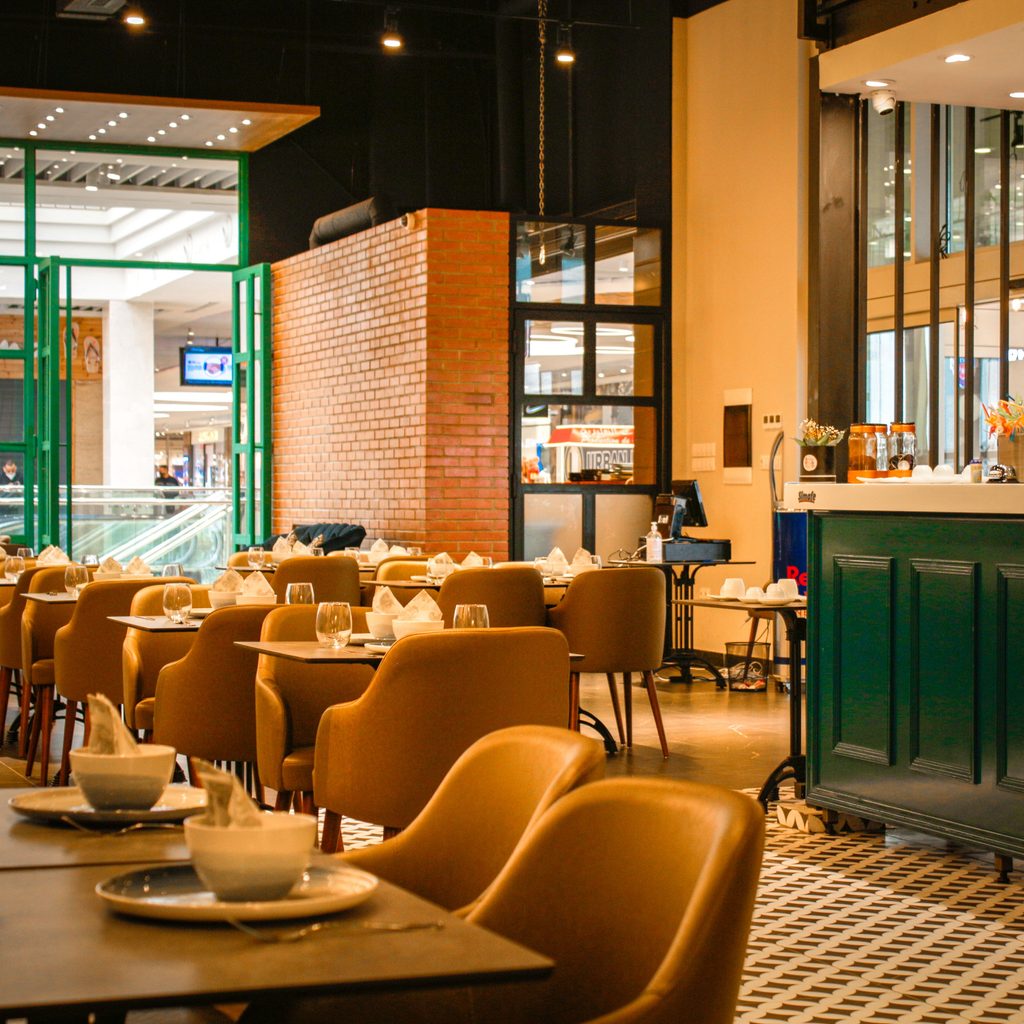
Sustainability has shifted from a desirable feature to a fundamental expectation, and diners are increasingly attuned to whether a restaurant’s interior design showcases real environmental mindfulness.
This trend manifests in reclaimed wood furniture, decor that has been recycled or upcycled, materials sourced from local suppliers, and energy-efficient lighting solutions. Beyond their environmental impact, these choices often tell a story that customers can relate to like a table made from wood salvaged from a local barn, which adds a unique charm and authenticity that mass-produced furniture lacks.
Designing for the Camera Without Losing Comfort
It’s well-known that attractive visuals encourage social sharing, which in turn boosts foot traffic. However, the most effective spaces find a balance between eye-catching elements and true comfort a common error among owners is focusing too much on one aspect at the expense of the other.
A few ideas for achieving that balance include:
- Select one or two clear “visual anchors” (like a mural, a distinctive light fixture, or a textured wall) instead of trying to make every corner Instagram-worthy.
- Prioritize comfortable seating with good cushioning and appropriate table heights.
- Don’t forget about acoustics, a beautiful space that’s too loud for conversation will turn away repeat customers.
Comfort keeps people at the table longer, while visual appeal draws them in initially. Both are important.
Bringing It All Together on a Budget
Not every trend needs a full renovation. Many restaurant owners successfully update their restaurant interior design in many stages:
- Begin with lighting changes, which are often the most cost-effective and impactful.
- Gradually introduce plants and natural textures.
- Repaint just one accent wall instead of the whole space.
- Swap out a few statement furniture pieces rather than overhauling everything.
These small, intentional updates can accumulate, leading to a cohesive and modern atmosphere without a complete renovation.
Conclusion
The design of restaurant interiors has progressed far beyond mere functionality; it now plays a crucial role in drawing in customers, enhancing their experience, and encouraging repeat visits. Current trends such as biophilic design, warm layered lighting, adaptable layouts, striking accent features, and eco-friendly materials all aim to create environments that are intentional, inviting, and unforgettable.
Successful restaurants aren’t always those with the largest design budgets; rather, they are the ones that make careful, consistent decisions that resonate with their brand and meet their customers’ expectations. Start with small, deliberate changes, and allow your space to narrate the story that your food already conveys.
If you’re considering a redesign or a refresh, visiting a few local restaurants that inspire you can be a valuable step before making any commitments to changes.