
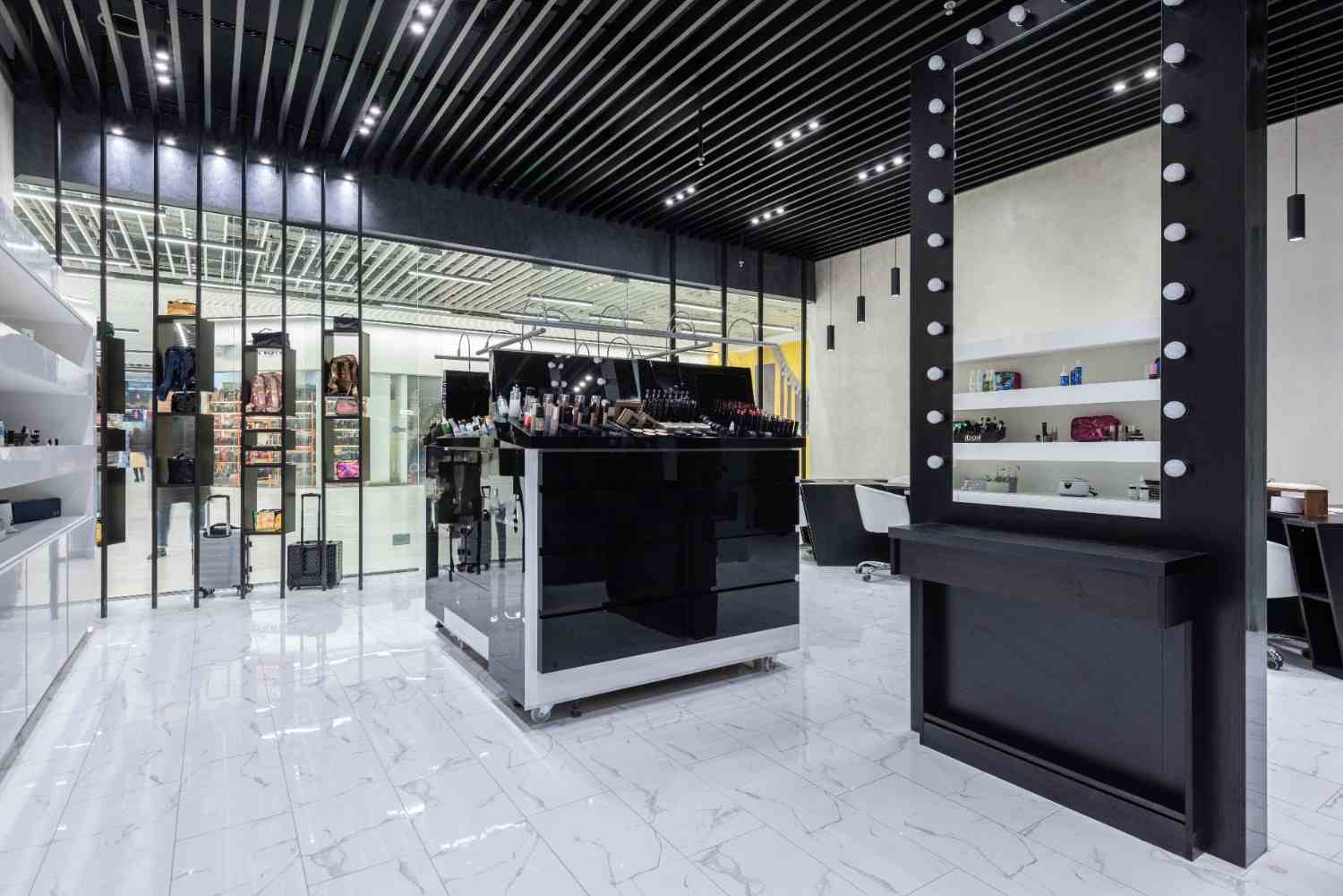
Shop Interior Design Tips Every Retailer Should Know to Sell More
If you walk into a store that has a good vibe, you’ll quickly see that nothing is left to chance. Each shelf, light fixture, and color has been thoughtfully chosen to steer you toward making a purchase. This is the essence of effective shop interior design, which turns casual visitors into buyers without them even being aware of the influence around them.
So, if you’re in retail, you want more shoppers walking in, bigger purchases, and a brand people remember. These interior design ideas can help you get there.
1. Design a Welcoming Entrance
The entrance area is crucial for any retail space. Known as the “decompression zone,” this is the first five to ten feet where customers shift from the outside environment into your store. A messy, dark, or confusing entrance can easily drive people away. To create a successful shop interior design, prioritize spacious walkways, warm lighting, and eye-catching product displays that draw in customers right away.
2. Use Strategic Lighting to Highlight Products
Lighting is not just about helping customers see; it also influences the atmosphere and highlights specific merchandise. For instance, when you use bright, focused lighting on featured products, it creates a spotlight effect that can enhance customer engagement and perceived value. Additionally, layering different types of lighting ambient, task, and accent is a straightforward way to enhance a space without needing a full renovation.
3. Create a Logical, Sales-Driven Layout
The design of your floor plan should encourage customers to explore high-margin items, new arrivals, and impulse-buy areas located near the checkout. Typical layouts may include:
- Grid layout: A practical choice for grocery and convenience stores.
- Loop (racetrack) layout: This design encourages shoppers to explore every section.
- Free-flow layout: Best suited for boutique and lifestyle brands.
Selecting the appropriate layout is essential in shop interior design, as it significantly influences the visibility of your inventory to customers.
4. Choose a Color Palette That Reflects Your Brand
Colors have a significant impact on emotions and purchasing decisions, often more than retailers understand. Warm colors such as red and orange can evoke a sense of urgency, making them ideal for clearance areas. In contrast, cool colors like blue and green promote a calming atmosphere, which is beneficial for wellness or luxury brands. Ensuring that the colors in your store align with your brand identity fosters trust and enhances recognition.
5. Invest in Flexible, Multi-Purpose Fixtures
Modular shelving, movable racks, and adjustable displays allow you to easily update your store’s appearance for different seasons, sales events, and new collections without incurring significant costs. This flexibility helps maintain a fresh shopping experience, which can lead to more frequent visits from customers.
6. Optimize the Checkout Experience
If your checkout counter is cramped and chaotic, it can ruin all the hard work you’ve put into your store. Make sure this area is tidy, well-lit, and stocked with small items that encourage impulse buys. A smooth checkout process helps customers leave with a positive impression, which plays a big role in whether they decide to come back.
7. Add Sensory Touches: Music, Scent, and Texture
In retail, the potential of multi-sensory branding is often missed. By adding subtle background music, a signature scent, and tactile materials like wood or textiles, you can create an emotional connection with your customers that they will carry with them long after they leave.
8. Incorporate Digital and Interactive Elements
By utilizing touchscreens, QR codes for product information, and digital signage, retailers can create a contemporary shop design that merges the convenience of online shopping with the engaging experience of a physical store. This tech-oriented approach is particularly attractive to younger consumers who value a seamless and connected shopping experience.
9. Don’t Neglect Fitting Rooms and Rest Areas
For clothing retailers, the design of fitting rooms plays a crucial role in conversion rates. Features like good lighting, mirrors, and ample space can transform the experience of trying on clothes from a hassle into a delight. Additionally, incorporating small seating areas can motivate shoppers, along with their companions, to linger longer.
10. Keep It Clean, Organized, and Easy to Navigate
No matter how clever the design is, it can’t make up for clutter. Having clear signs, neat shelves, and well-organized product displays helps lessen decision fatigue, making it easier for customers to locate what they intended to buy and uncover items they didn’t realize they needed.
Final Thoughts on Shop Interior Design
Good shop interior design is not just about aesthetics; it’s a strategic advantage that influences customer feelings, movements, and spending habits within your store. Every component, from the entrance to the checkout, is an opportunity to increase sales and cultivate brand loyalty. Start by addressing minor aspects like lighting and layout. As you move forward, create a cohesive design strategy that captures your brand’s essence in every interaction.