
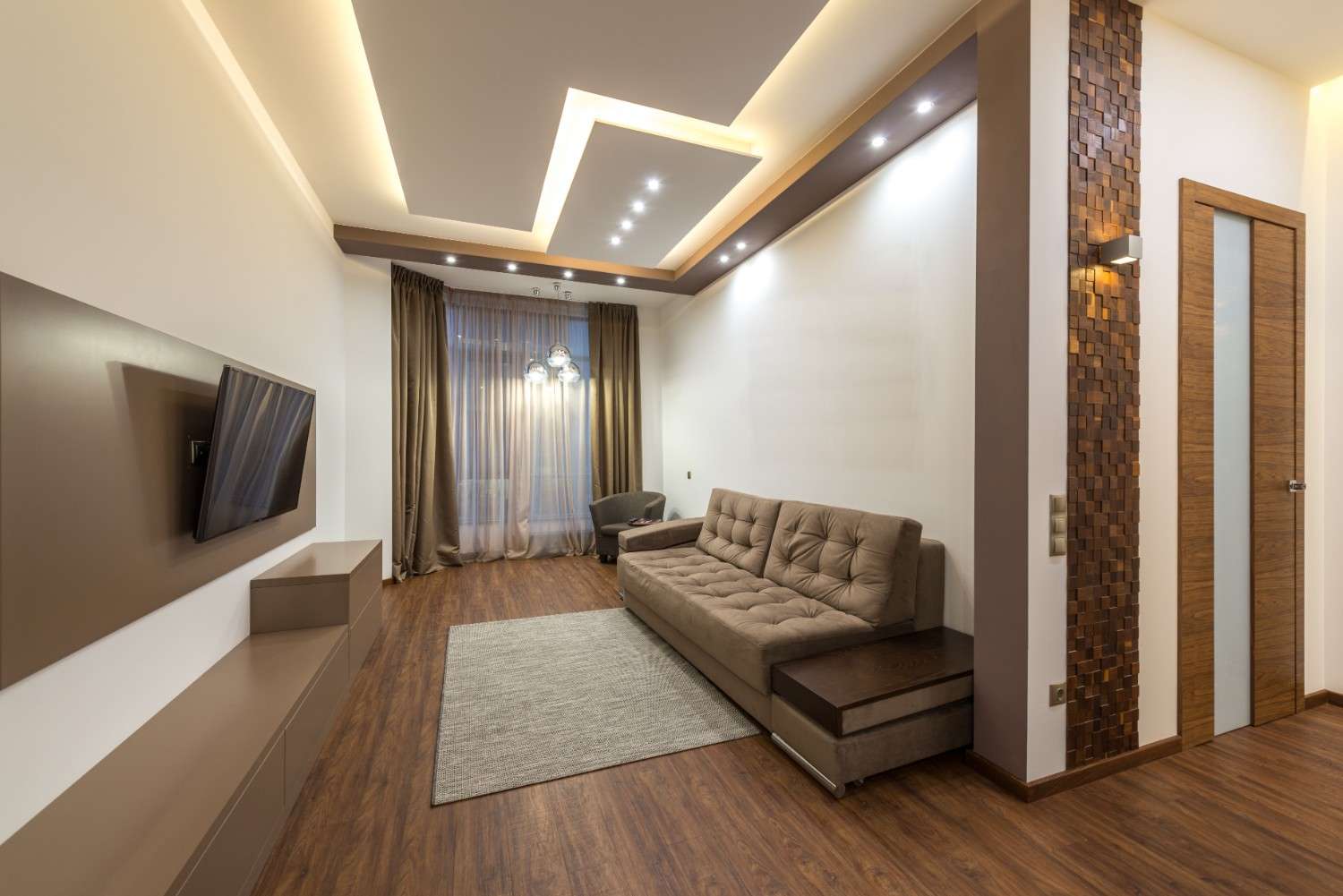
In home makeovers, people often focus on walls and flooring, but they frequently overlook the ceiling as a design element. In fact, a thoughtfully designed false ceiling can dramatically change the ambiance of a room, introducing depth, warmth, and a touch of luxury that flat ceilings just can’t provide.
If you’re updating your living room, reimagining your bedroom, or building a new home entirely, this guide will take you through the top false ceiling design ideas, materials, and helpful tips to select the ideal option for your space.
What Is a False Ceiling?
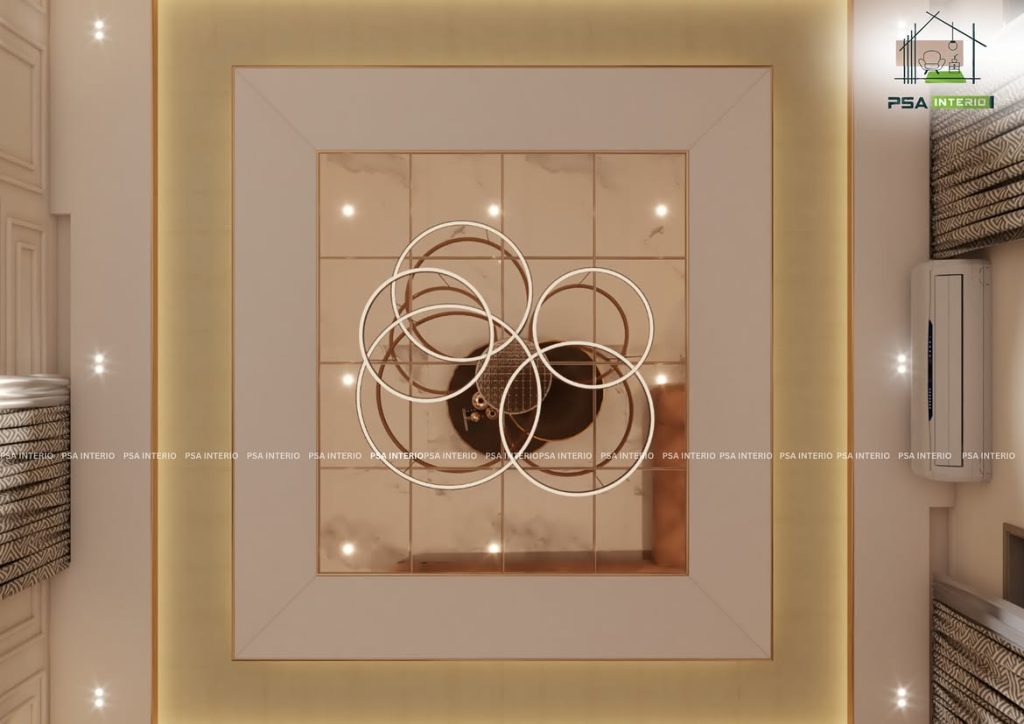
A false ceiling also known as a drop ceiling or suspended ceiling is a secondary ceiling that sits beneath the original structural ceiling. Common materials include gypsum board, Plaster of Paris, PVC, and wood. Overall, this design conceals electrical wiring, ductwork, and plumbing while enhancing lighting, acoustics, and thermal insulation.
Beyond functionality, false ceilings have become a design statement in modern interiors, offering endless possibilities for creativity.
Why Choose a False Ceiling Design?
Before diving into ideas, here’s why false ceilings are worth the investment:
Aesthetic appeal: Adds visual interest and a sophisticated, polished finish to your space.
Better lighting: Supports various lighting options like recessed, cove, and accent lights.
Hides imperfections: Disguises wiring, pipes, and uneven surfaces seamlessly.
Improved acoustics: Reduces noise and echo, making it ideal for home theaters.
Temperature control: Provides an additional layer of insulation for better climate management.
Increases property value: Ultimately, a beautifully designed ceiling can elevate your home’s overall market value.
Benefits of False Ceiling Designs
Energy efficiency: The space between the false ceiling and the slab helps to minimize heat transfer, which can lead to reduced cooling expenses.
Customised lighting: Cove, recessed, and profile lights can be seamlessly integrated, allowing you to set various moods.
Concealed services: Air conditioning ducts, electrical wiring, and plumbing are hidden from view, enabling maintenance access without disrupting the aesthetic.
Fire resistance: Gypsum board ceilings provide an added layer of fire protection compared to exposed wiring and bare slabs.
Easy to refresh: A simple coat of paint or a change in lighting can transform the room’s appearance without the need for extensive renovations.
Popular False Ceiling Design Ideas
1. Cove Ceiling Design
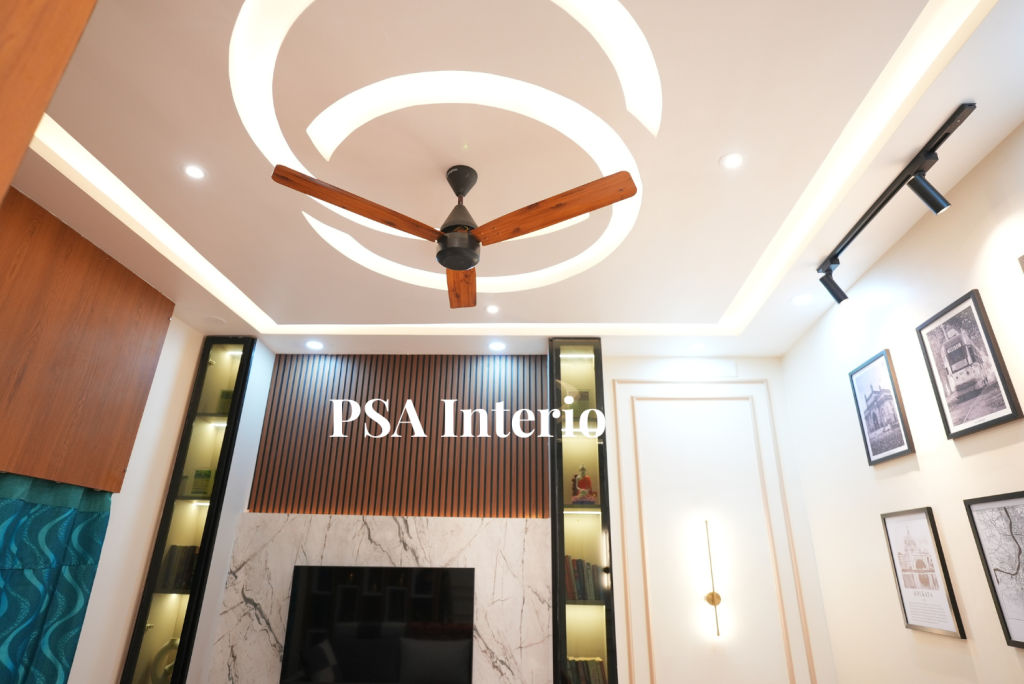
Cove ceilings create a soft, curved transition between the wall and ceiling, often paired with hidden LED lighting. As a result, this design is perfect for living rooms and bedrooms where you want a warm, ambient glow without harsh overhead lights.
2. Tray Ceiling Design
A tray ceiling features a recessed center panel that brings depth and dimension to any room. It’s especially stunning in dining rooms and master bedrooms, particularly when cove lighting illuminates the perimeter.
3. Floating Ceiling Design
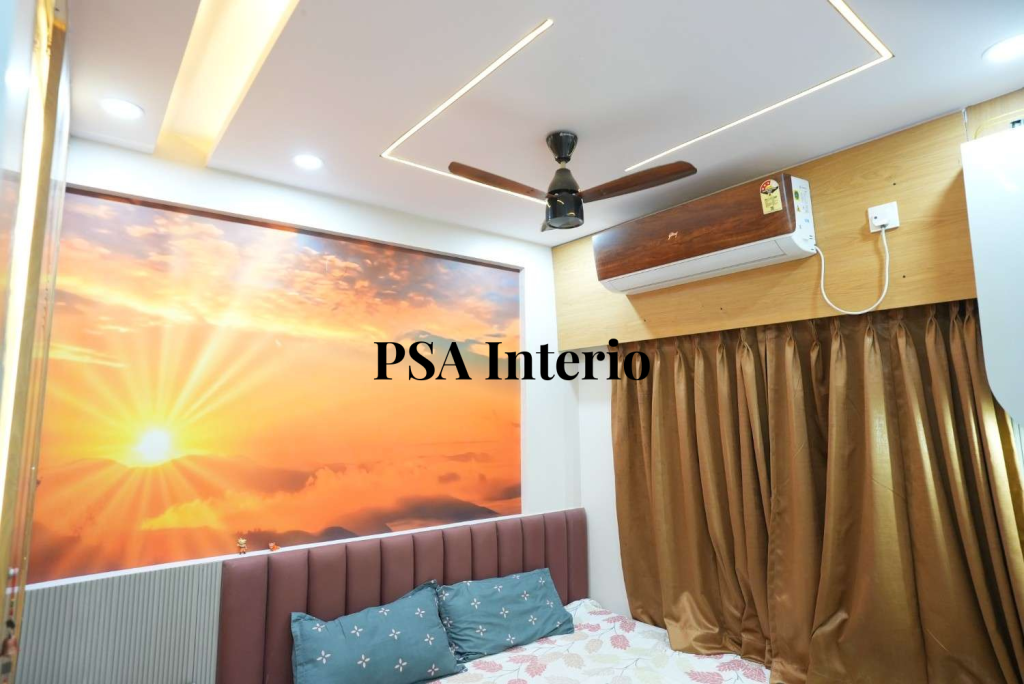
Floating false ceilings give the illusion of “hovering” above the room: a gap between the ceiling panel and the wall, lit with LED strip lighting, creates the effect. As a result, this sleek, minimalist style is particularly popular in modern living rooms.
4. Coffered Ceiling Design
Coffered ceilings incorporate a grid of recessed panels, resulting in a refined and timeless aesthetic. Consequently, this style introduces texture and visual appeal, making it an excellent choice for formal living rooms, studies, and dining areas.
5. Wooden False Ceiling Design
For example, using wooden slats or panels can create a warm and earthy ambiance in your interiors. This approach is perfect for living rooms and bedrooms that adopt a rustic, Scandinavian, or minimalist style.
6. Gypsum Board False Ceiling
One of the most adaptable materials available, gypsum board allows for the creation of complex patterns, curves, and multi-level designs. In addition, its lightweight, fire-resistant properties and ease of customization make it a popular choice for residential and commercial spaces alike.
7. PVC False Ceiling Design
PVC ceilings are a budget-friendly choice that withstands moisture and is low-maintenance, making them suitable for kitchens and bathrooms. They also come in numerous colors, textures, and finishes to cater to diverse design preferences.
8. Layered or Multi-Level Ceiling
Layered ceilings feature multiple levels or tiers, often paired with cove lighting and ornamental beams. As a result, this approach adds a touch of drama and dimension, making it a great choice for large living spaces or open-concept areas.
9. Geometric Pattern Ceiling
Geometric designs, such as hexagons, chevrons, and angular cutouts, add a striking, modern flair to interior spaces. Overall, they are especially effective in contemporary or minimalist homes that aim to create a strong visual impact.
10. False Ceiling with Chandelier Cutout
A circular or oval cutout showcases a chandelier or pendant light and serves as a beautiful focal point. In particular, homeowners favor this design in dining rooms and entryways, where the lighting also acts as a decorative element.
Room-Wise False Ceiling Design Ideas
Living Room: Consider choosing multi-level or coffered designs that incorporate ambient cove lighting.
Bedroom: Select soft, rounded tray or cove ceilings along with dim, warm lighting to encourage a sense of relaxation.
Kitchen: Consider using moisture-resistant PVC or gypsum ceilings paired with bright, functional lighting.
Bathroom: Choose PVC or waterproof gypsum panels that handle humid conditions with ease.
Home Office: Similarly, clean and simple gypsum designs combined with task lighting are effective in promoting focus and enhancing productivity.
How Is a False Ceiling Installed?
Installing a false ceiling is a detailed process that can take anywhere from 3 to 7 days, based on the size of the room and how complex the design is. Here’s an overview of the steps involved:
- Measure and plan: The contractor takes measurements of the room and finalizes the design, including lighting points, AC placements, and the ceiling drop.
- Mark the level: A level line is drawn on all walls to ensure the ceiling is perfectly even.
- Fix the perimeter channels: Metal wall angles or channels are attached along the marked line to support the edges.
- Suspend the framework: GI channels are suspended from the slab using hangers, creating a grid that will support the weight of the boards.
- Complete electrical work: Wiring for lights, fans, and LED strips is installed before the boards are put in place.
- Fix the boards or panels: Gypsum boards, PVC panels, or other materials are secured onto the framework.
- Finish the joints: Joints are taped and filled with putty, then sanded down for a smooth finish.
- Paint and add fixtures: Prime and paint the ceiling, then install the lights and other fixtures.
False Ceiling Cost: What to Expect
The price of a false ceiling varies based on several factors, including the type of material used, the complexity of the design, the number of levels, the lighting options, and the cost of labor. Below is a table that outlines the estimated prices per square foot, which cover both materials and labor.
| Material | Approx. Price per Sq Ft (₹) | Notes |
| Plain gypsum board | ₹70 – ₹120 | Flat, simple finish |
| Designer gypsum board | ₹120 – ₹250 | Multi-level, cove, or curved designs |
| Plaster of Paris (POP) | ₹60 – ₹130 | Cost varies with design detailing |
| PVC panels | ₹70 – ₹140 | Moisture-resistant, quick to install |
| Wooden / wood-finish panels | ₹150 – ₹400+ | Premium look; cost varies by wood type |
| Grid / mineral fibre tiles | ₹50 – ₹100 | Common in offices and commercial spaces |
Prices can differ based on the city, brand, contractor, and the complexity of the design. It’s a good idea to obtain at least two or three quotes before making a final decision.
Factors that affect the final cost:
- The number of levels and how complex the design is
- The type of lighting used (cove, profile, or recessed)
- The quality of materials like boards, channels, and paint
- The size of the room and the height of the ceiling
- Local labor rates
Deciding on the right material is as important as the design choice. This comparison will support you in your decision.
| Feature | Gypsum Board | POP | PVC | Wood |
| Cost | Moderate | Low to moderate | Low to moderate | High |
| Design flexibility | Very high | High | Low to moderate | Moderate |
| Moisture resistance | Low (high with moisture-resistant boards) | Low | Excellent | Low |
| Fire resistance | Good | Moderate | Low | Low |
| Weight | Light | Moderate | Very light | Heavy |
| Maintenance | Low | Moderate (can crack) | Very low | High |
| Lifespan | 15–25 years | 10–20 years | 10–15 years | 15–25 years |
| Best for | Living rooms, bedrooms | Living rooms, bedrooms | Kitchens, bathrooms | Living rooms, studies |
What Is the Minimum Ceiling Height for a False Ceiling?
When deciding on a design, first assess the height of your room. A false ceiling can decrease the height, so it’s crucial to have enough space for comfort.
- Minimum finished height: The ceiling should be at least 8 feet (about 2.4 m) from the floor after installation.
- Flat or simple designs: These require a drop of about 3 to 4 inches, making them ideal for rooms with a 9-foot slab height.
- Cove or tray designs: These need approximately 6 to 12 inches of drop, so a slab height of 10 feet is more suitable.
- Multi-level designs: These are most effective in rooms with a height of 10 feet or greater.
For rooms with lower ceilings, opt for slim peripheral designs, light colors, and surface-mounted or slim recessed lights to create a more spacious atmosphere.
False Ceiling Maintenance Tips
A well-installed false ceiling requires minimal maintenance, but a little regular care can help it last for many years.
- Dust regularly: Wipe it down with a soft, dry cloth or use a vacuum with a brush attachment every month or two.
- Clean gently: For stains, use a slightly damp cloth. Avoid soaking gypsum or POP, as too much water can cause damage.
- Address leaks immediately: Water from a leaking pipe or roof can stain, sag, or ruin the ceiling. Repair the source quickly.
- Repair cracks early: Small cracks at the joints can be filled with putty and repainted before they spread.
- Repaint every 3 to 5 years: This keeps the surface looking fresh and protected.
- Check lights and wiring: Have electrical points checked periodically, especially the LED drivers hidden in the ceiling.
- Protect wood ceilings: Use polish or sealant, and avoid damp areas to prevent warping or termite problems.
Tips for Choosing the Right False Ceiling Design
Consider ceiling height: Simple, flush designs work well for low ceilings, whereas higher ceilings can accommodate more complex, multi-level, or dramatic patterns.
Match your interior theme: It’s important that the ceiling design harmonizes with your overall decor style, be it modern, traditional, minimalist, or industrial.
Factor in lighting needs: It’s important to plan your lighting layout in advance because it has a direct impact on the structure of the false ceiling.
Set a realistic budget: Generally, gypsum and POP are less expensive, while wood and detailed designs are pricier.
Think about maintenance: PVC is much simpler to clean, whereas wood needs more attention, especially in humid environments.
Hire experienced professionals: Installing a false ceiling demands a high level of precision, so it’s important to collaborate with experienced contractors to achieve the best results.
Final Thoughts
In short, a well-planned false ceiling does more than conceal wires and pipes; it enhances the overall atmosphere of your home. Whether you prefer sleek, minimalist floating designs or intricate coffered patterns, there’s a false ceiling option for every style, budget, and room. Ultimately, spend some time looking into various materials, lighting choices, and styles to discover the design that truly represents your personal taste and improves your living area.